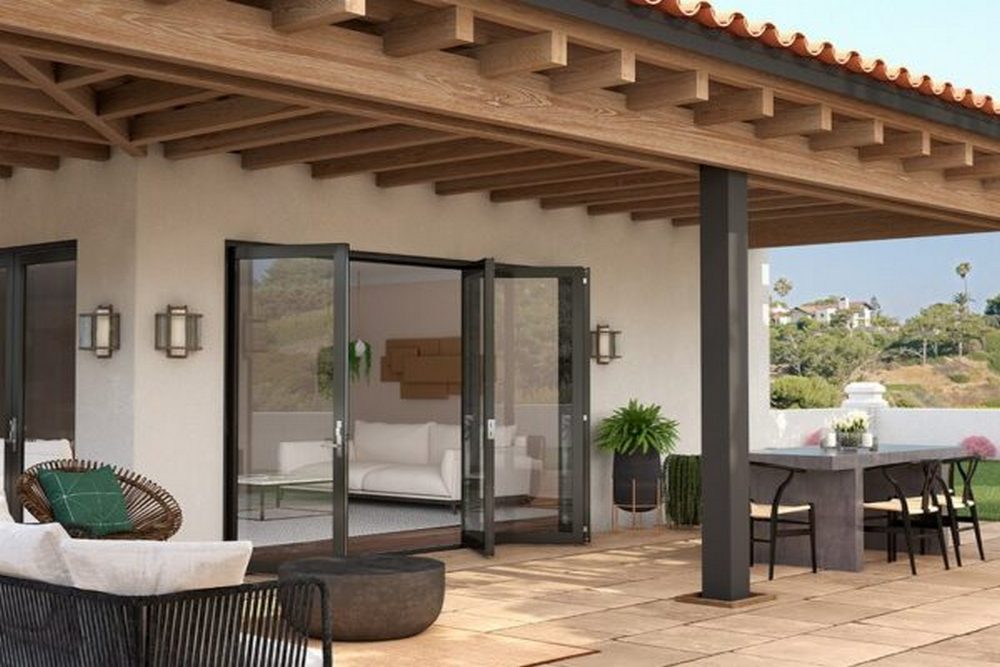
When you start planning a window upgrade, you’ll likely come across two popular options: vinyl windows and fiberglass windows. Each offers unique advantages, and understanding how they compare helps you make a confident, informed decision for your home. Vinyl windows are made from PVC material, known for its affordability and low maintenance. On the other hand, fiberglass windows are built from reinforced glass fibers, giving them a strong and stable structure. While both options are designed to improve your home’s performance and appearance, the differences in material, construction, and overall performance can influence how well they match your specific needs.
Comparing Energy Efficiency Between Vinyl and Fiberglass Windows
Energy efficiency is one of the most important factors when choosing new windows, especially if you want to reduce energy bills and maintain indoor comfort. Vinyl windows are excellent insulators because the material naturally resists heat transfer, helping keep your home cooler in the summer and warmer in the winter. Many vinyl window frames also include multi-chambered designs that further enhance insulation. Fiberglass windows also perform well in this area, particularly because they expand and contract at a rate similar to glass. This consistency helps maintain a tight seal, reducing air leaks over time. While both options support energy savings, your final results often depend on the quality of installation and the type of glass package you choose.
Durability and Strength You Can Expect Over Time
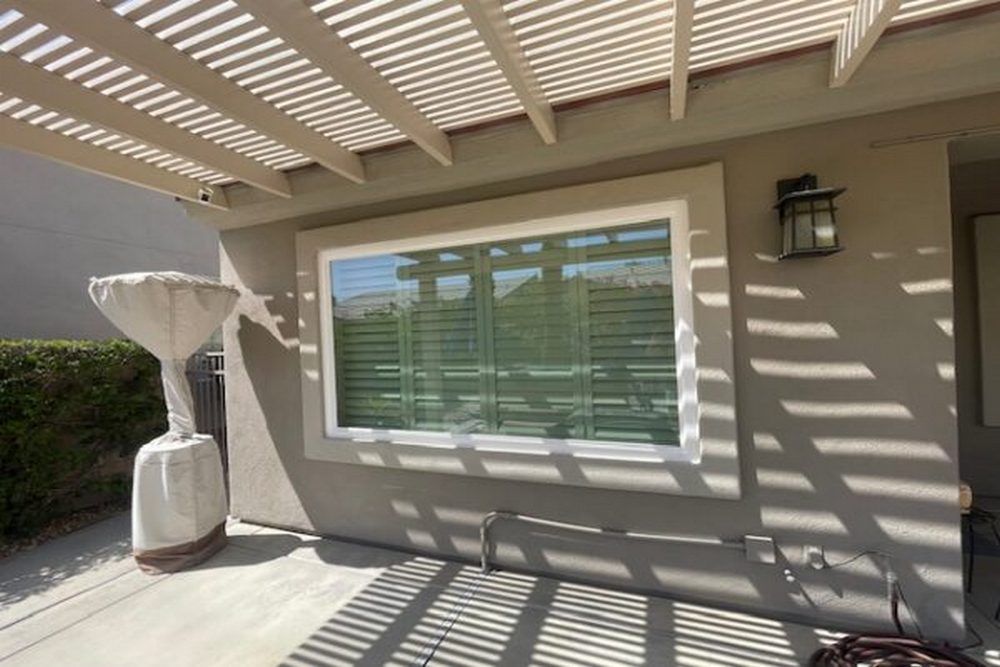
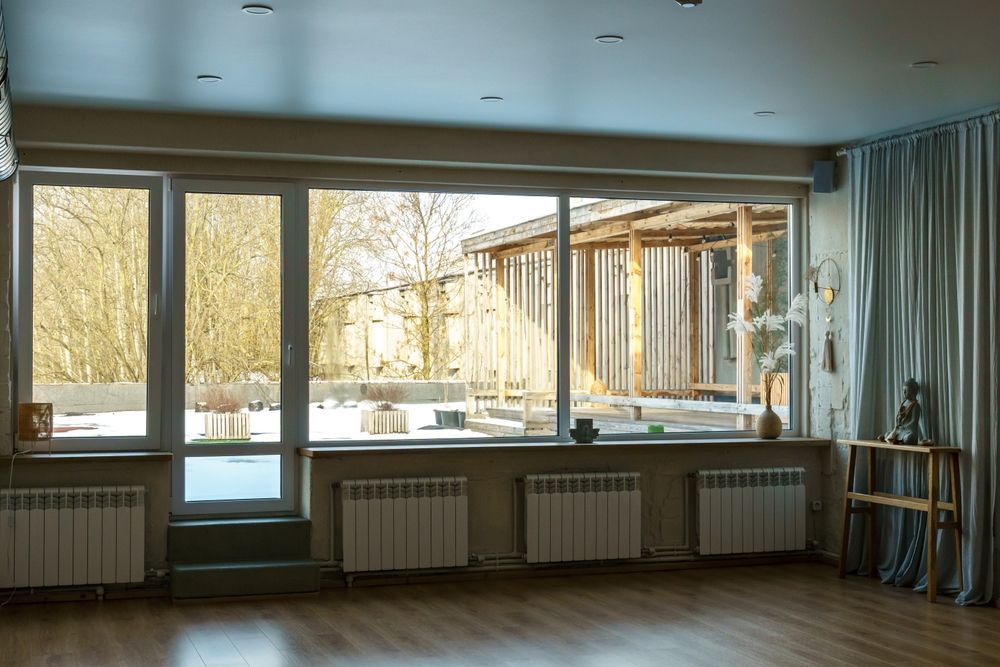
Durability plays a major role in how long your windows will last and how well they perform through changing weather conditions. Vinyl windows are resistant to moisture, corrosion, and pests, making them a reliable choice for many climates. They don’t require painting or refinishing, which keeps maintenance simple. However, extreme heat can sometimes cause vinyl frames to expand more than other materials. Fiberglass windows stand out for their strength and stability. They are less likely to warp, crack, or expand significantly under temperature changes. This makes fiberglass a strong contender if you’re looking for long-term structural performance. Both options offer durability, but the environment around your home may influence which material holds up best over time.
Maintenance Requirements and Long Term Value
When considering long-term value, it’s helpful to look at how much upkeep each option requires and how they perform over the years. Vinyl windows are known for being low maintenance, as they don’t need painting and are easy to clean with basic care. This convenience makes them appealing if you want a hassle-free option. Fiberglass windows may require occasional maintenance depending on the finish, especially if they are painted, but they offer the benefit of long-term structural integrity. Because of their strength, fiberglass frames can maintain their shape and performance for many years. Both materials provide value, but your decision may come down to whether you prioritize minimal upkeep or extended durability.
Choosing the Right Window Option for Your Home
Selecting between vinyl and fiberglass windows ultimately comes down to your priorities, budget, and the specific conditions of your home. You want windows that not only look great but also support comfort, efficiency, and long-term reliability. By understanding how these two materials compare, you can choose an option that aligns with your goals without feeling uncertain about your investment. When you’re ready to move forward, JB Windows & Glass can help make the entire process smooth and straightforward. You’ll enjoy a dependable and hassle-free installation handled by a team that values precision and quality. To get started with a free, no-pressure in-home consultation, call 760) 778-5300 today.
about
JB Windows & Glass
We take pride in offering exceptional service, competitive pricing, and expert installation.