Living in a desert climate means your home is exposed to long periods of intense sunshine, high temperatures, and significant heat gain throughout much of the year. If your indoor spaces feel warmer than expected, even when your air conditioning is running, your windows may be contributing to the problem. One of the most important questions to ask is whether your current windows help maintain comfortable indoor temperatures or allow excessive heat to enter your home. Older windows, single-pane glass, worn seals, and outdated materials can make it more difficult to control indoor comfort during the hottest months. Modern replacement windows are designed to reduce solar heat transfer and improve energy efficiency, helping you create a more comfortable living environment. Evaluating how your windows perform under peak summer conditions can reveal whether they support your home’s efficiency goals or create additional strain on your cooling system.
Do Seasonal Temperature Changes Affect Window Performance
While desert regions are known for hot days, many homeowners also experience noticeable temperature fluctuations between daytime and nighttime hours. These changes can place stress on aging windows over time. It is worth asking whether your windows are performing consistently throughout seasonal shifts or showing signs of wear. Drafty windows, difficulty opening and closing them, condensation between the glass panes, and visible damage may indicate that your windows are struggling to handle changing conditions. Quality replacement windows are built to withstand temperature fluctuations while maintaining their structural integrity and energy-efficiency. Paying attention to how your windows function across different seasons can help you identify issues before they become larger concerns that affect comfort, efficiency, and long-term performance.
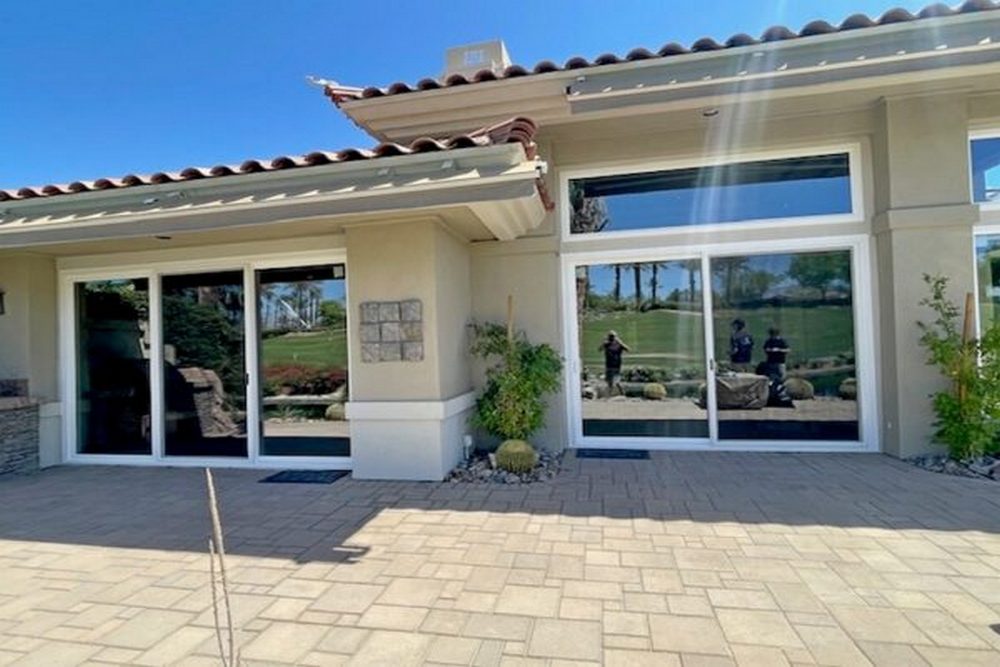
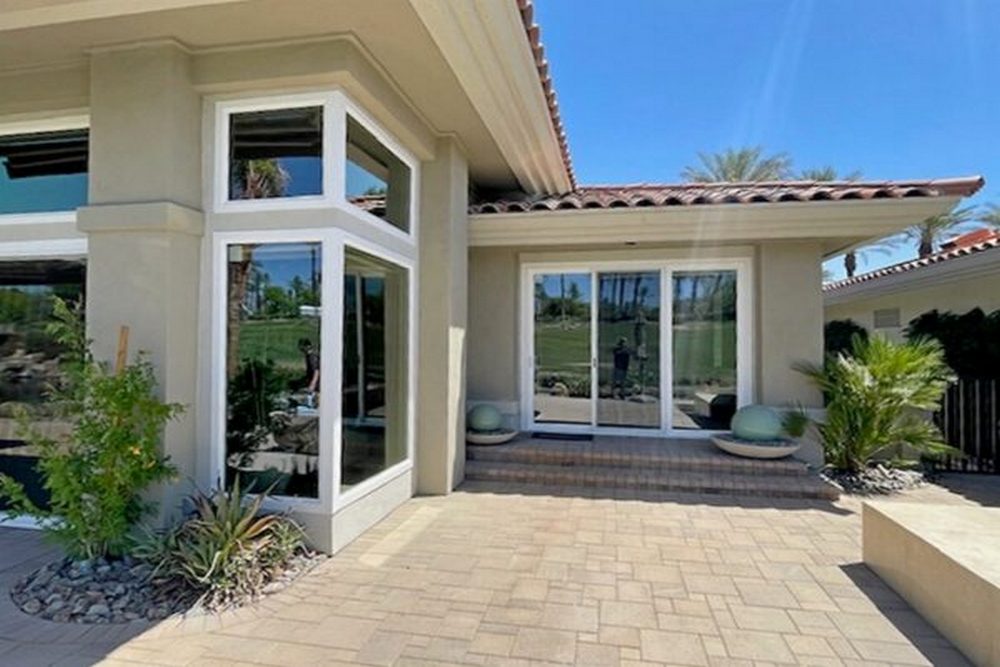
Are Rising Energy Bills Connected to Your Existing Windows
Many desert homeowners notice increased utility costs during warmer months and automatically assume higher temperatures are the sole reason. While seasonal heat certainly affects energy consumption, your windows may also play a significant role in rising energy costs. If conditioned air escapes through gaps, deteriorating seals, or inefficient glass, your HVAC system must work harder to maintain the desired indoor temperature. Asking whether your windows are contributing to higher energy bills is an important step in evaluating their overall performance. Modern energy-efficient windows can help reduce unwanted heat transfer and improve insulation, making it easier to maintain consistent indoor temperatures. Over time, these improvements can contribute to lower energy usage and a more comfortable home environment during every season.
How Well Do Your Windows Handle Sun Exposure Throughout the Year
Constant exposure to sunlight can affect more than just indoor temperatures. Strong ultraviolet rays can contribute to fading furniture, flooring, window treatments, and other interior finishes. Desert homeowners should consider whether their windows provide adequate protection against prolonged sun exposure year-round. Advanced replacement windows often feature glass technologies that reduce harmful UV rays while still allowing natural light into your home. This balance helps create bright living spaces without exposing interior surfaces to unnecessary damage. Asking how effectively your current windows manage sunlight can help you determine whether an upgrade may offer additional benefits beyond energy savings. Improved glass performance can enhance comfort, protect your home’s interior, and support long-term value.
Is It Time to Consider Windows Built for Desert Conditions
One of the most valuable questions you can ask is whether your existing windows are truly designed to meet the demands of a desert climate. Windows that perform adequately in milder regions may not provide the same level of comfort and efficiency in areas that experience extended heat, strong sunlight, and seasonal temperature fluctuations. If you have noticed drafts, increased energy costs, fading furnishings, or inconsistent indoor temperatures, it may be worth exploring replacement options designed for these conditions. Understanding how your windows perform throughout the year can help you make informed decisions that support comfort and energy efficiency for the future. If you would like to learn more about replacement windows designed for desert environments, contact JB Windows at (760) 498-913 or fill out our online form today. A window specialist can help you evaluate your current windows and discuss solutions that promote year-round comfort, improved energy efficiency, and dependable performance season after season.
about
JB Windows & Glass
We take pride in offering exceptional service, competitive pricing, and expert installation.