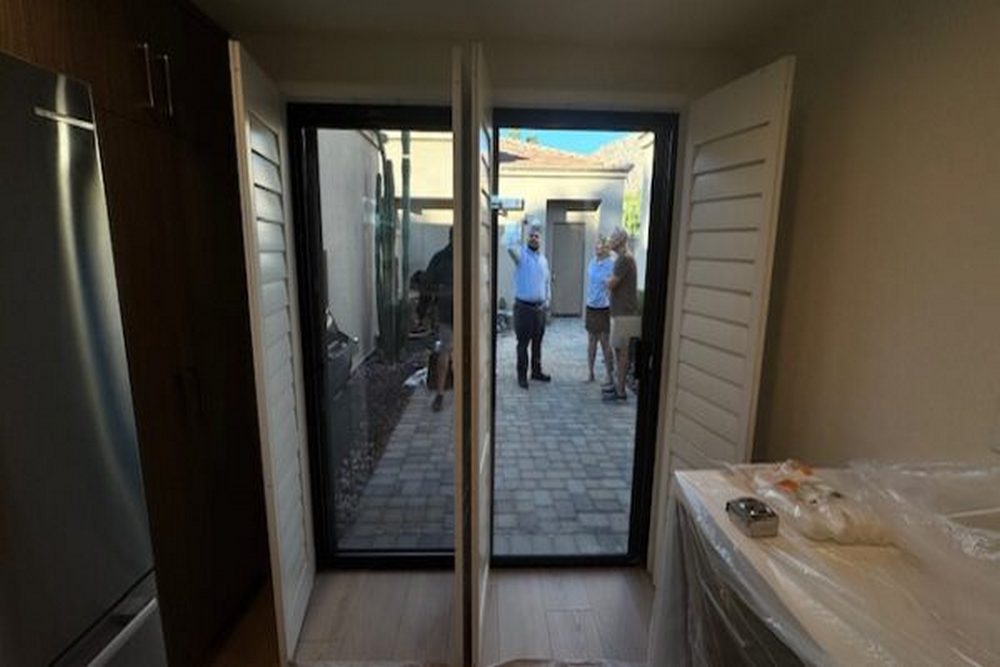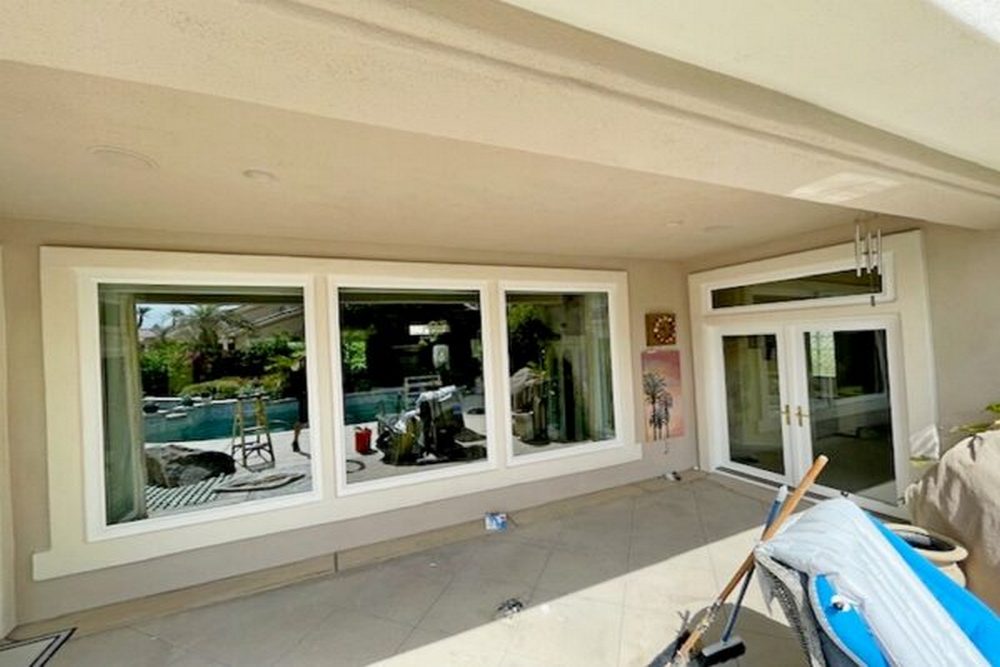
Modern replacement windows are designed to do much more than provide a view of the outdoors. They play an important role in maintaining indoor comfort, improving energy efficiency, and helping your heating and cooling systems operate more effectively. One of the key components that allows windows to perform these functions is the window seal. In double-pane and multi-pane windows, seals help hold the glass panes together while trapping insulating gas between them. This barrier reduces heat transfer and helps keep outdoor temperatures from affecting your indoor environment. Over time, however, exposure to sunlight, temperature fluctuations, moisture, and general aging can cause seals to weaken or fail. When this happens, your windows may no longer provide the level of insulation they were designed to deliver. Recognizing the signs of seal failure early can help you address the issue before it leads to greater discomfort or higher energy costs.
Foggy Glass Between Window Panes Is a Major Warning Sign
One of the most common indicators of a failed window seal is condensation or fog trapped between the glass panes. Unlike moisture that appears on the inside or outside surface of a window and can be wiped away, condensation between panes cannot be removed because it forms inside the insulated glass unit. When a seal fails, outside air and moisture are able to enter the space that was originally sealed and filled with insulating gas. As temperatures change, that trapped moisture often creates a cloudy or foggy appearance that affects visibility and reduces the window’s effectiveness. Some homeowners may initially view this as a cosmetic issue, but it often indicates a loss of insulating performance. If multiple windows in your home show signs of internal condensation, it may be time to evaluate whether replacement windows would provide a better long-term solution.
Rising Energy Bills Can Point to Hidden Seal Problems
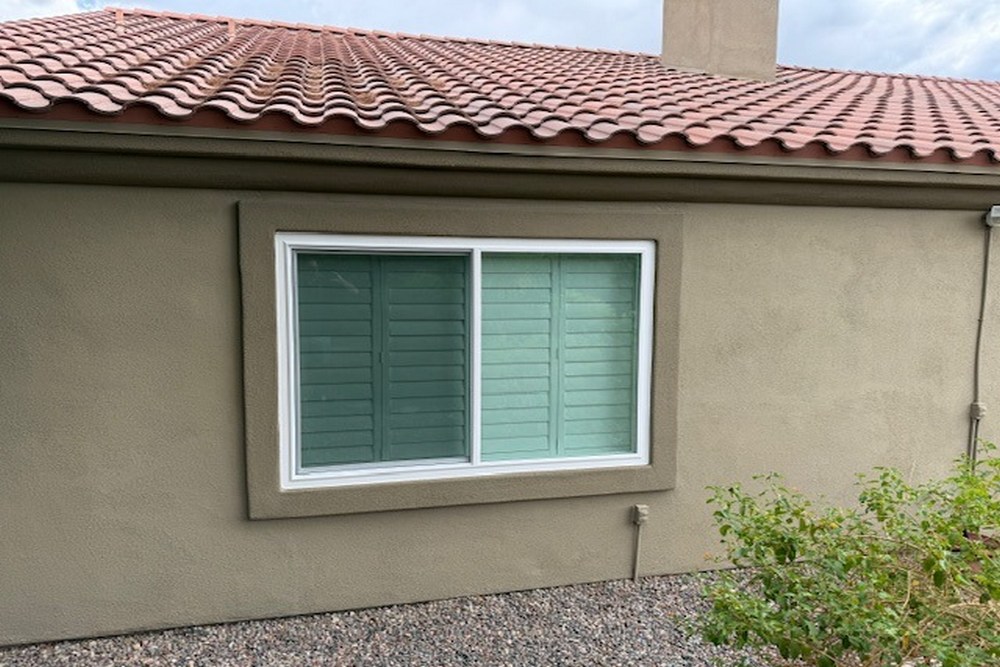
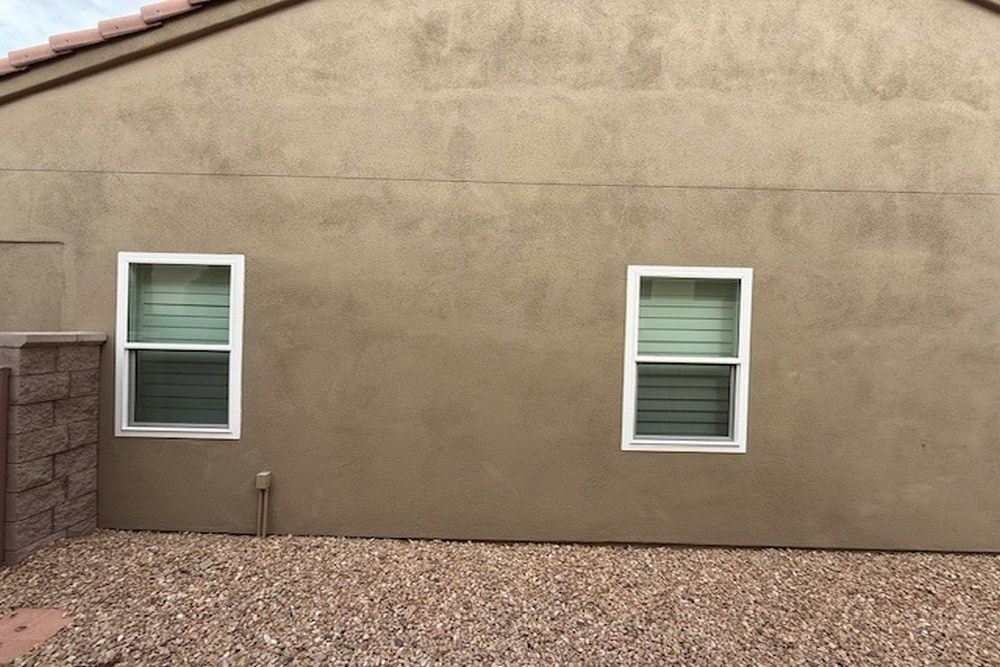
Not every window seal failure is immediately visible. In some cases, the first sign may appear on your monthly utility statement. When seals fail, windows become less effective at preventing heat transfer, making it harder to maintain a consistent indoor temperature. During hot summers, more heat can enter your home, causing your air conditioning system to run longer. During cooler periods, warm indoor air can escape more easily, forcing your heating system to work harder. These changes may happen gradually, making them difficult to notice until energy costs begin increasing. If you have already serviced your HVAC system and improved other aspects of your home’s efficiency but continue to experience rising utility bills, your windows may deserve closer inspection. Replacing windows with failed seals can help restore energy performance and improve year-round comfort.
Drafts and Temperature Differences Near Windows
Another common symptom of seal failure is the presence of drafts or noticeable temperature changes near your windows. You may find that certain rooms feel warmer than others during the summer or cooler during the winter. Areas near affected windows may become uncomfortable because the insulating barrier that once reduced heat transfer is no longer functioning properly. While damaged weatherstripping and frame issues can also contribute to drafts, failed seals often play a role in reduced thermal performance. If you find yourself adjusting the thermostat more frequently or avoiding certain areas of your home because they feel too hot or too cold, your windows may not be performing as intended. New replacement windows with advanced insulating features can help create a more consistent indoor environment and improve overall comfort throughout your home.
Upgrade Failing Windows with Professional Guidance from JB Windows
Window seal failure is a problem that should not be ignored. Whether you notice condensation between glass panes, increasing energy costs, drafts, or uneven indoor temperatures, these signs may indicate that your windows are no longer providing the efficiency and comfort you expect. Replacing aging windows can help improve energy performance, enhance comfort, and restore the appearance of your home. JB Windows offers high-quality replacement window solutions, including energy-efficient Anlin products designed for long-lasting performance in demanding climates. Contact JB Windows at (760) 498-913 or fill out our online form today to speak with a window specialist and explore replacement window options that can help improve comfort, reduce energy loss, and provide dependable performance for years to come.
about
JB Windows & Glass
We take pride in offering exceptional service, competitive pricing, and expert installation.